
„Bild-Affekte“
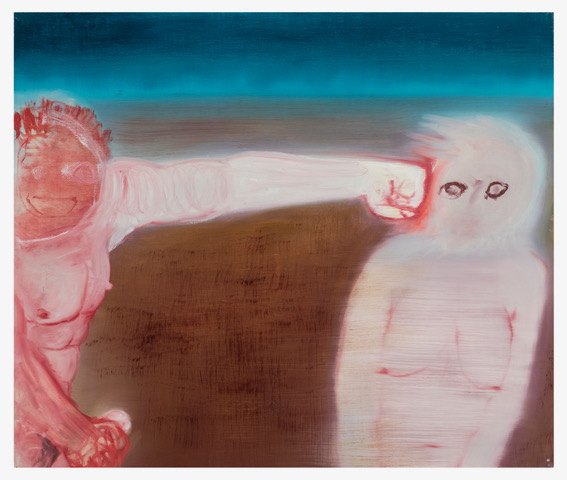
- Abendvortrag von Kerstin Thomas (Universität Stuttgart)
- Datum & Uhrzeit Mi | 29.05.2019 | 18:00 Uhr
- Ort Akademie der Bildenden Künste München, Akademiestr. 2-4
- Raum Neubau, E.O1.23.
Kerstin Thomas ist Professorin für Kunstgeschichte der Moderene am Institut für Kunstgeschichte der Universität Stuttgart. Ihre Forschungsschwerpunkte umfassen u.a. die kunstgeschichtliche Emotionsforschung, Form- und Ausdruckskonzepte in Kunst, Wissenschaft und Ästhetik der Moderne und die Wissenschaftsgeschichte der Moderne. Sie ist Mitglied der Emmy Noether-Nachwuchsgruppe „Form und Emotion“ und arbeitet zur Zeit an einem Handbuch der Emotionsbegriffe im französischen Kunstdiskurs des 19. Jahrhunderts.
Call for papers: Things Beside Themselves. Mimetic Existences

The concluding conference of the DFG / SNF research group ‘Media and Mimesis’ 3rd – 5th February 2020
Deadline for submissions: 30th June 2019
Location: Weimar
From the perspective of industrialised, Western societies of discipline and control, to be ‘beside oneself’ denotes at best a religious, and at worst a pathological state of subjective exception. Through intoxication, possession, or various affects, the subject here enters an alternative state (of being) in which he or she assumes the identity of something else or becomes simply non-identical. To be beside oneself is then a key indicator of an excessive form of mimesis, which in the dispositif of modern Western ontologies is experienced as a loss of self – a loss that is regulated and subjected to therapy.
In contrast to such normalising classifications, mimetic practices in a wide range of media cultures show that being beside oneself represents a mode of existence of mimetic artefacts and mimetic subjectivation. This excessive mimetic mode of existence allows us to conceive the historical and ontogenetic being of things as a transformative intermediate being. Mimesis can thus be understood as a trans-subjective, intermedial praxis that is tied to particular materials and techniques and emerges through hybrid operational chains.